
【奥田浩美ブログ】
京都が持つスピリチャル”精神性”の打ち出し方
昨日のこのパネルでいくつかの提言を行ったのですが、ほとんどアドリブなので少し自分の振り返りのためにも書き残しておきます。
日本の精神文化の中心地の一つとして、スピリチュアルな先進都市という打ち出し方が可能。魂の学問は一つ間違うと特定の教義への依存や排他的な思考の強制など洗脳的なイメージを持たれがちだが、本来のスピリチャル”精神性”を「〇〇道」という側面から体感することが可能。また、そういったものが集積する地として世界的に意味を持たせられる。
「〇〇道」は、特定の宗教や教義に偏らず、普遍的な精神的価値観の体現が可能。そういった宗教分離が可能なことが非常に大きい。
京都はそういった側面をリベラルアーツの中にもう1科目組み込むようなイメージの打ち出しができる都市ではないか?
「インドに行ったら人生変わった」と言うのは、そういうことを求めていくから
「インドに行ったら人生変わった」と人々が言うのは、そういうことを求めていくからだ。「京都に行ったら人生変わった」と言える要素がたくさんあるのに打ち出し方が勿体無い。多くの海外から来る人々はなにかそういった体験を求めていくはず。
時代や文化を超えて人々に共通するものの解明の場、魂の成長を支える基盤という打ち出し方が必要で、観光地だけではない自然を活用した精神的な空間の創出、京都に滞在することで自身の内面を深く見つめなおせるというような側面を打ち出す。
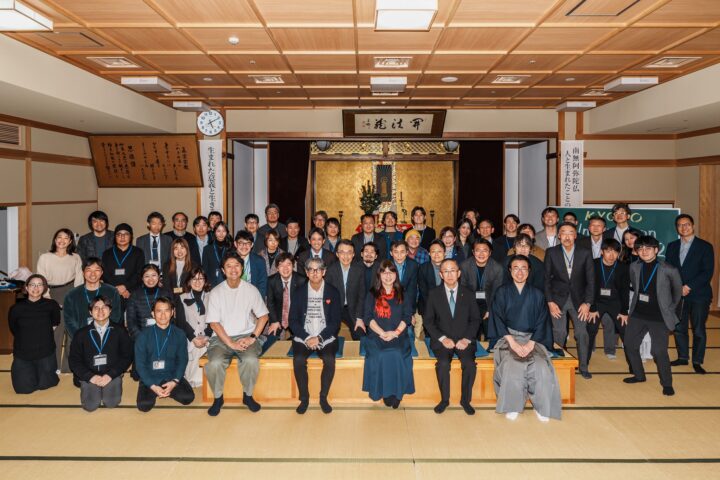
会場の東本願寺の講堂にも「生まれた意義と生きる喜びを見つけよう」「生まれたことの意味をたずねていこう」という垂れ幕が当たり前のように貼ってあるが、こういうものに囲まれて私たちは日々過ごしている。(写真参照)
そういった“当たり前”に気づくことがさらに重要な時代が来るし、そういう場所を求めている。インドのリシケシのように。
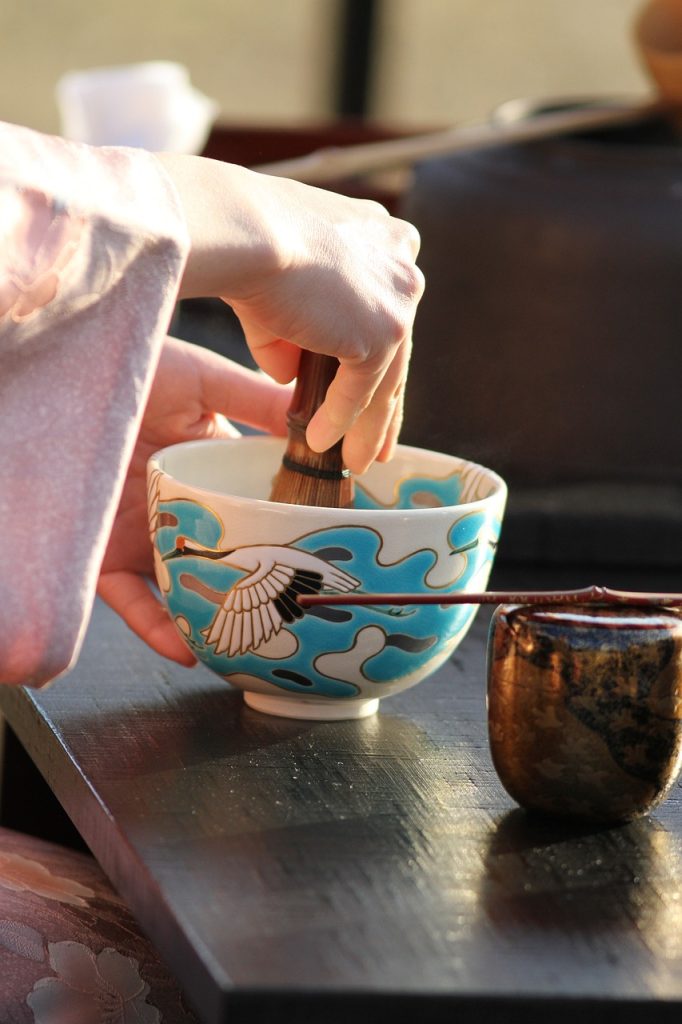
にじり口から入る」という概念が大きな意味を持つ時代
正義が多様に存在する時代に「にじり口から入る」という姿勢が重要な意味を持つ時代が来た。
そもそもすべて文化も宗教も生活スタイルも異なる人間同士が生きていくために敬意を払うと言った姿勢は今度必要になる。
力でねじ伏せるスタイルが優位な今だからこそその価値は大きい。そもそも力でねじ伏せる歴史を経た1000年の年の蓄積という文化は大きい。京都という街はそういった権力抗争の時代も経た結果の街。ピュアな精神性だけではない部分が深みを持っている。
まだまだ、いろんなことを喋った気がしますが、殴り書きを残しておきます。
Yesterday I made several proposals during this panel, but since it was mostly improvised, I wanted to document my thoughts for my own reflection.
・On Presenting Kyoto’s Spiritual Essence
As one of the centers of Japanese spiritual culture, Kyoto can position itself as a progressive city of spirituality. While spiritual studies can sometimes be misperceived as potentially cult-like—dependent on specific doctrines or forcing exclusionary thinking—experiencing true spirituality through various “Ways” (道) is possible in Kyoto. The city can gain global significance as a place where these practices converge.
These “Ways” can embody universal spiritual values without leaning toward any specific religion or doctrine. This ability to separate from religious affiliation is tremendously significant.
Could Kyoto position itself as a city that incorporates this dimension as an additional subject within liberal arts education?
・People say “going to India changed my life” because they’re seeking such experiences. Kyoto has numerous elements that could make people say “going to Kyoto changed my life,” but we’re not highlighting this potential effectively. Many international visitors are surely seeking these kinds of experiences.
We need to position Kyoto as a place for discovering what transcends time and cultures, a foundation supporting spiritual growth—not just a tourist destination. We should emphasize creating spiritual spaces utilizing nature, and promote the idea that staying in Kyoto allows for deep self-reflection.
In the Higashi Honganji Temple hall where we met, banners reading “Let’s find the significance of our birth and the joy of living” and “Let’s explore the meaning of being born” were hanging as if completely normal. This is what surrounds us daily. (See photo)
An era is coming when recognizing such “ordinary” elements becomes increasingly important, and people are seeking such places, similar to Rishikesh in India.
・The Concept of “Entering Through the Nijiriguchi”
In an age where multiple versions of justice coexist, the attitude of “entering through the nijiriguchi” (a small, humble entrance requiring one to crouch) takes on significant meaning.
The stance of showing respect to others despite differences in culture, religion, and lifestyle will become essential going forward.
This approach is especially valuable in today’s world where domination by force prevails. The cultural accumulation of 1,000 years that followed a history of power struggles is significant. Kyoto itself is a city that emerged through periods of power conflicts—its depth comes not just from pure spirituality.
I feel like I talked about many other things too, but I’ll leave these rough notes here.
What else did I talk about? lol